Exploring Neighborhood Change Through Resident Stories
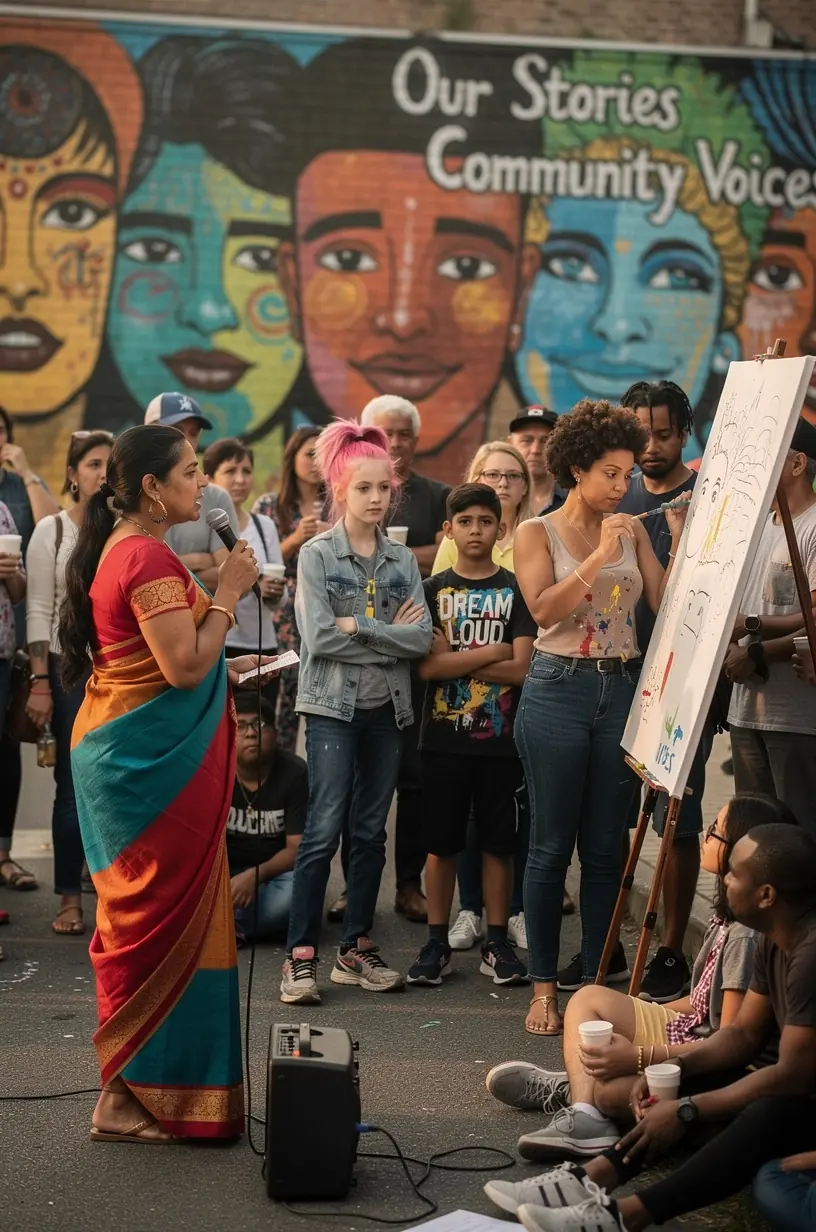
Neighborhoods across the United States are constantly evolving, influenced by various social, economic, and environmental factors. By sharing individual experiences, residents can provide valuable insights into the challenges and opportunities that arise during these transitions.
The Importance of Resident Narratives
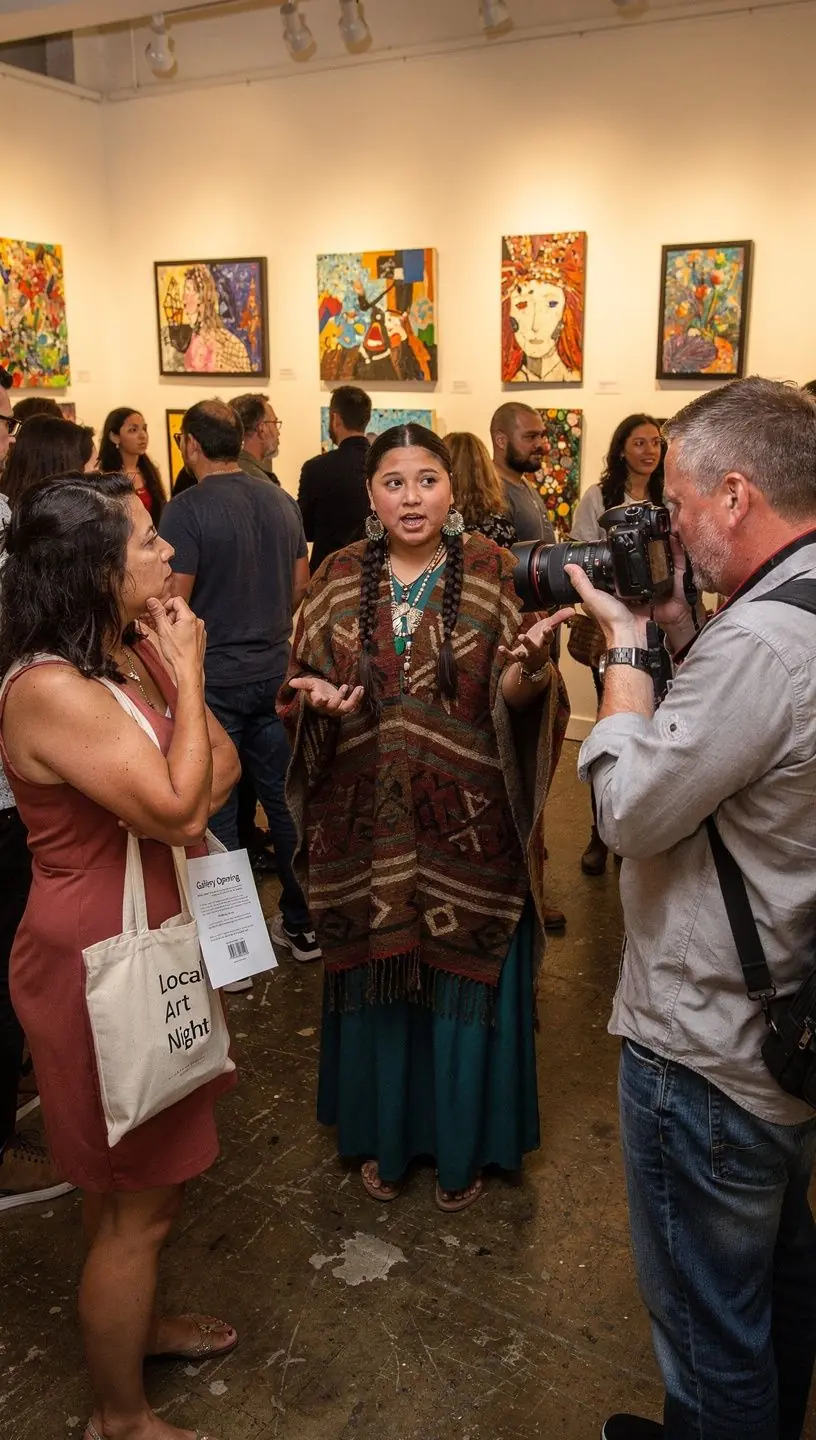
According to sociological research, the stories of residents often reflect the underlying dynamics of local communities. These narratives can illuminate how gentrification, economic shifts, and social changes impact daily life. Many experts argue that documenting personal experiences fosters a deeper understanding of neighborhood transformations.
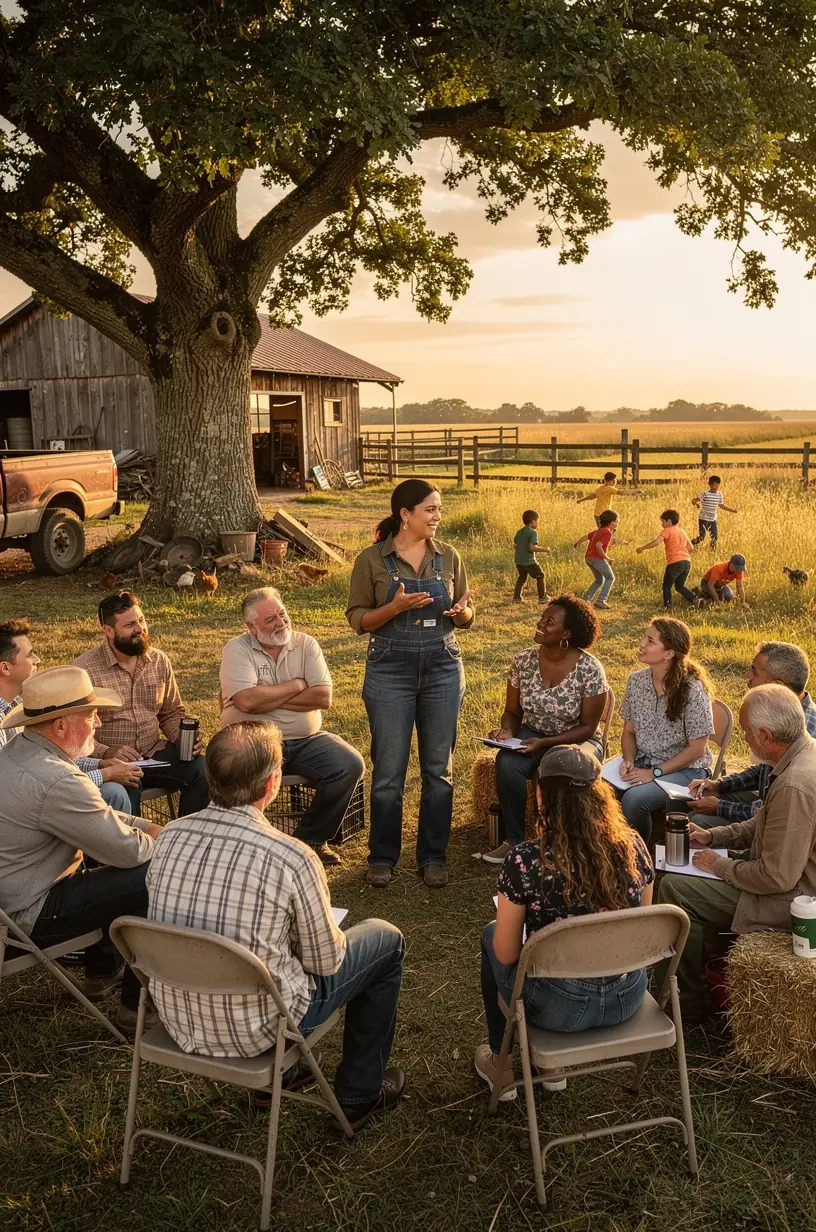
"Every resident has a story that contributes to the larger narrative of their community's evolution."
Challenges Residents Face
As neighborhoods change, residents typically encounter a range of challenges. Here are some common issues reported:
- Rising Housing Costs: Studies show that gentrification can lead to increased rent and property taxes, making it difficult for long-time residents to remain in their homes.
- Loss of Community Identity: Many residents feel that the influx of new businesses and developments alters the character of their neighborhoods, often pushing out local culture.
- Access to Resources: Changes in neighborhood demographics can affect access to essential services, such as healthcare and education, leading to disparities in quality.
Documenting Solutions and Resilience
While challenges abound, residents also develop creative solutions to adapt to change. Some effective strategies include:
- Community Organizing: In many cases, residents band together to advocate for affordable housing and equitable resource distribution. This collective action can amplify their voices and influence local policy.
- Local Business Support: Many neighborhoods have seen success through initiatives that promote local businesses, fostering economic resilience and community pride.
- Engagement in Urban Planning: Residents who actively participate in urban planning discussions can help shape development in a way that reflects the community’s needs and values.
The Role of Storytelling in Community Building
Engaging in storytelling can be an effective way for residents to process their experiences and strengthen community ties. According to community development experts, sharing stories can:
- Enhance Empathy: Hearing diverse perspectives fosters understanding and compassion among residents, which is essential for community cohesion.
- Encourage Collaboration: By sharing their challenges and successes, residents can inspire others to take action or seek collaborative solutions.
- Preserve History: Documenting local stories ensures that the history of a neighborhood is not lost as it changes, providing a sense of continuity and identity.
Conclusion
Neighborhood change is an inevitable part of community life in the U.S., and resident stories play a crucial role in documenting these experiences. By addressing challenges and celebrating resilience, residents can cultivate a story-rich environment that fosters understanding, collaboration, and ultimately, a stronger community. As we continue to explore these narratives, we gain insights that can inform our responses to change and guide future development.