Exploring the Role of Art in Community Storytelling
Art has long served as a powerful medium for storytelling, especially within communities. This article examines how art influences the way local narratives are created, expressed, and shared, providing insights into its impact on social cohesion and community identity.
Understanding the Basics of Community Storytelling
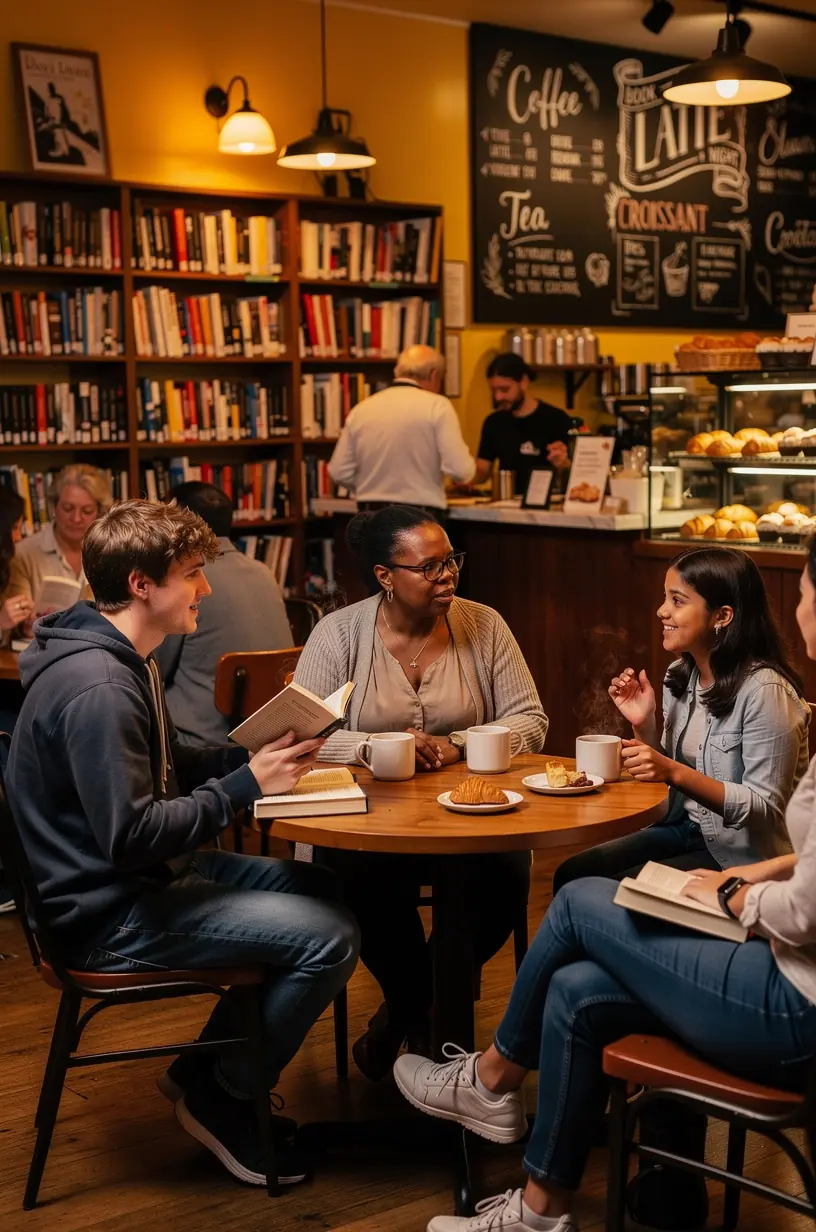
Community storytelling is often seen as a way to reflect shared experiences and challenges. According to research, this practice not only strengthens community bonds but also allows for diverse voices to be heard. Art plays a crucial role in this process by transforming personal stories into collective narratives that resonate with a wider audience.

"Art serves as a bridge between individual experiences and collective understanding, enriching community identity." – Art Historian
The Connection between Art and Community Identity
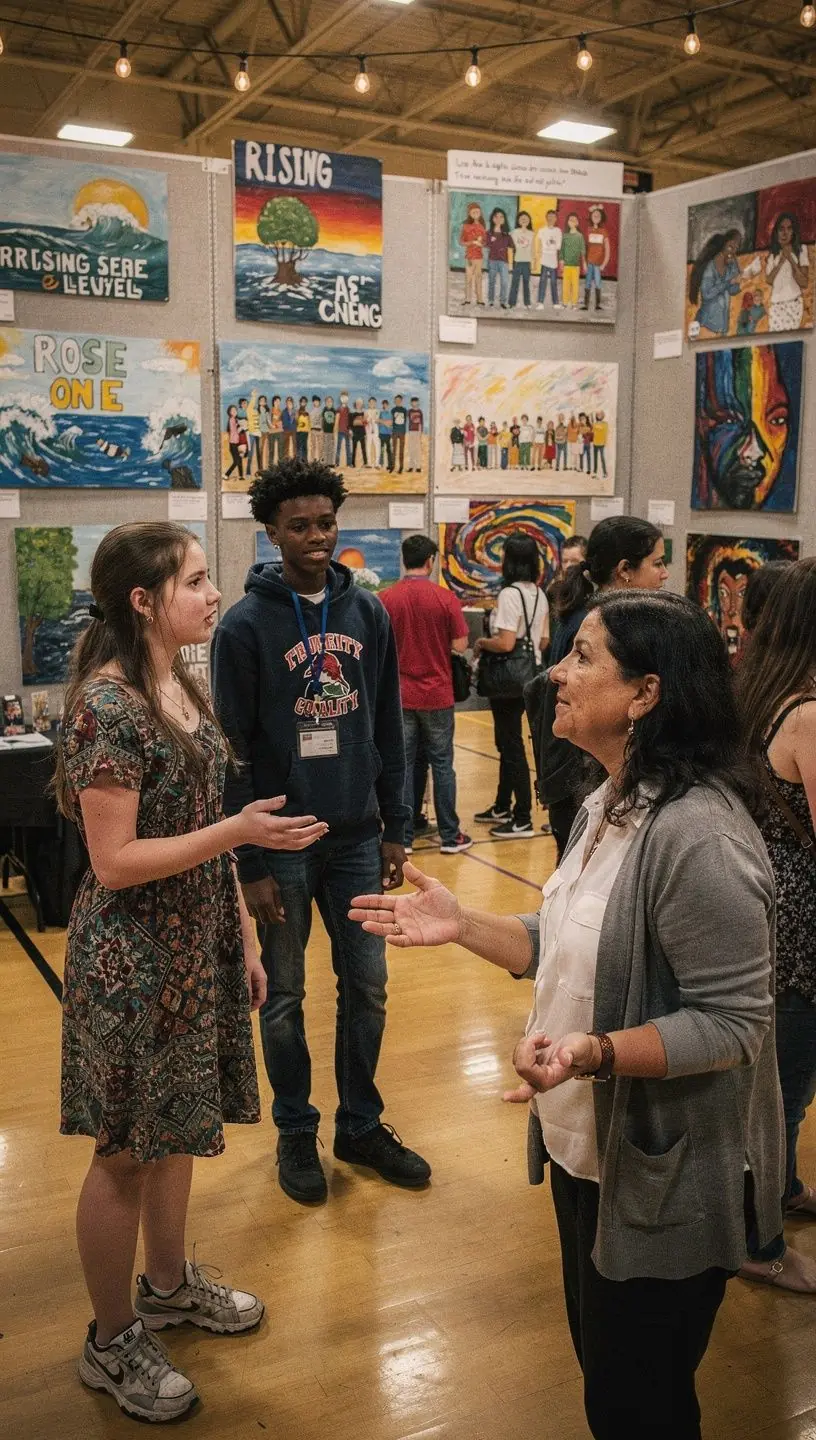
Artistic expressions such as murals, poetry, and theater can embody the unique cultural heritage of a community. Studies indicate that when artists draw inspiration from local history and experiences, they engage residents in a way that fosters pride and belonging. This connection often results in:
- Increased Engagement: Community members are more inclined to participate in initiatives that reflect their identity.
- Improved Communication: Art encourages dialogue among diverse groups, facilitating understanding and empathy.
- Enhanced Visibility: Artistic projects can draw attention to local issues, prompting discussions and potential solutions.
Art as a Tool for Addressing Community Challenges
Art can also serve as a catalyst for social change. Many communities use it to address pressing issues such as poverty, inequality, and environmental concerns. Experts suggest that when art is employed thoughtfully, it can:
- Raise Awareness: Visual art installations or performances can highlight social injustices and inspire action.
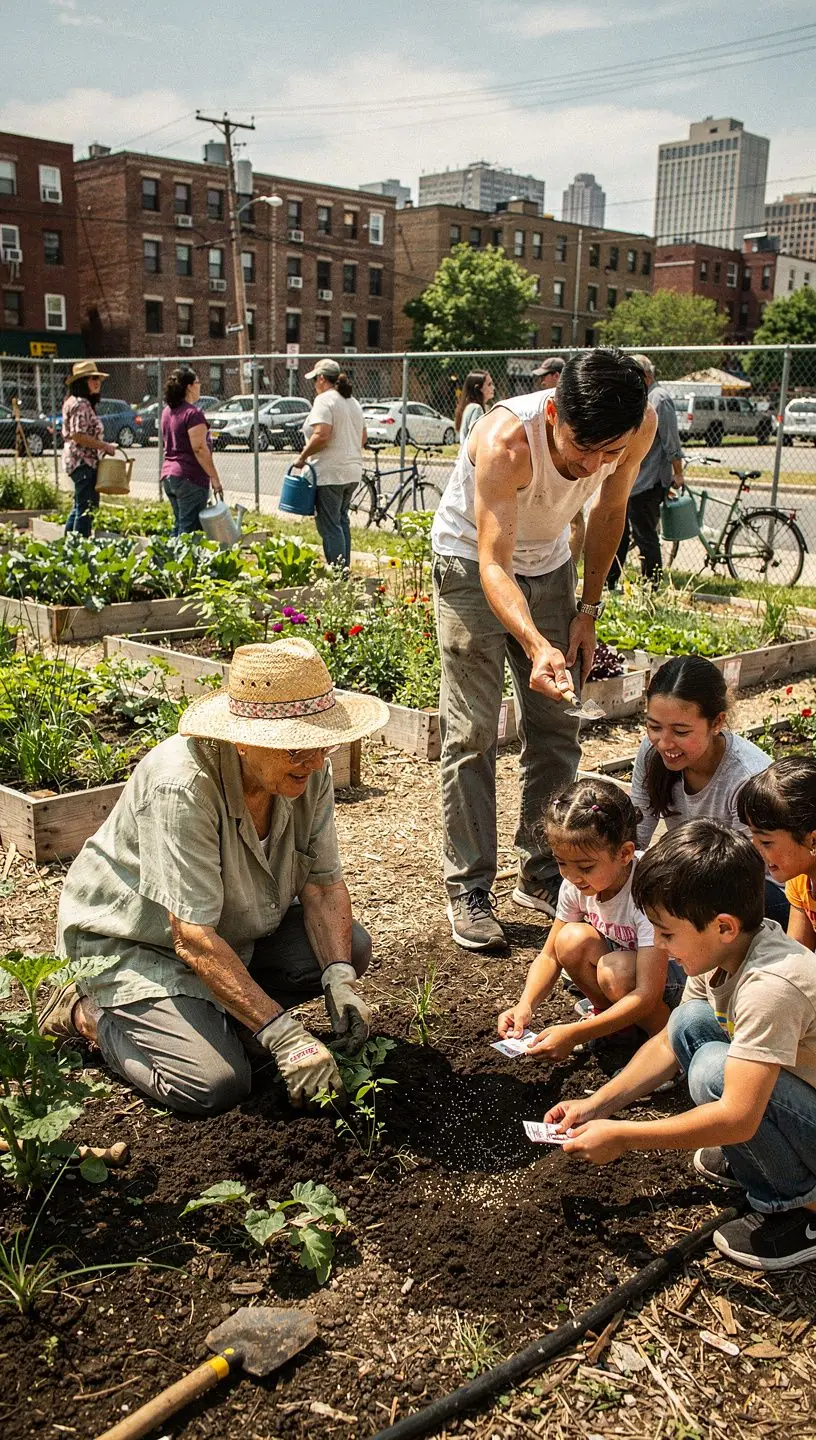
- Encourage Collaboration: Artists often collaborate with community organizations, creating projects that bring people together for a common cause.
- Empower Residents: Engaging in artistic activities allows individuals to express themselves, fostering a sense of agency within the community.
Practical Examples of Art in Community Storytelling
Across the United States, numerous communities have embraced art as a storytelling medium. For instance:
- Philadelphia’s Mural Arts Program: This initiative has transformed public spaces into galleries that tell the city’s history, promoting community pride.
- Poetry Slams in Chicago: These events empower local voices, allowing individuals to share their experiences and connect with others.
- Theater Projects in San Francisco: Community theater groups often tackle social issues, providing a platform for dialogue and understanding.
Conclusion
Art plays a multifaceted role in community storytelling, serving as a means of expression, a tool for engagement, and a catalyst for change. By understanding and utilizing the power of art, communities can not only share their stories but also address challenges and celebrate their unique identities. As research shows, the integration of art into community narratives can lead to stronger, more cohesive societies.
Learn More