How to Gather Oral Histories from Neighbors
Oral histories can serve as vital links to the past, providing invaluable insights into the experiences of those in your community. This guide outlines effective strategies for gathering these narratives from your neighbors, helping to document local experiences, challenges, and solutions.
Understanding the Importance of Oral Histories
Gathering oral histories is a potent way to preserve the unique stories and traditions of your community. According to studies conducted by the Oral History Association, these narratives enhance our understanding of social change and cultural heritage. By engaging with your neighbors, you not only collect personal stories but also foster a sense of belonging and shared identity.
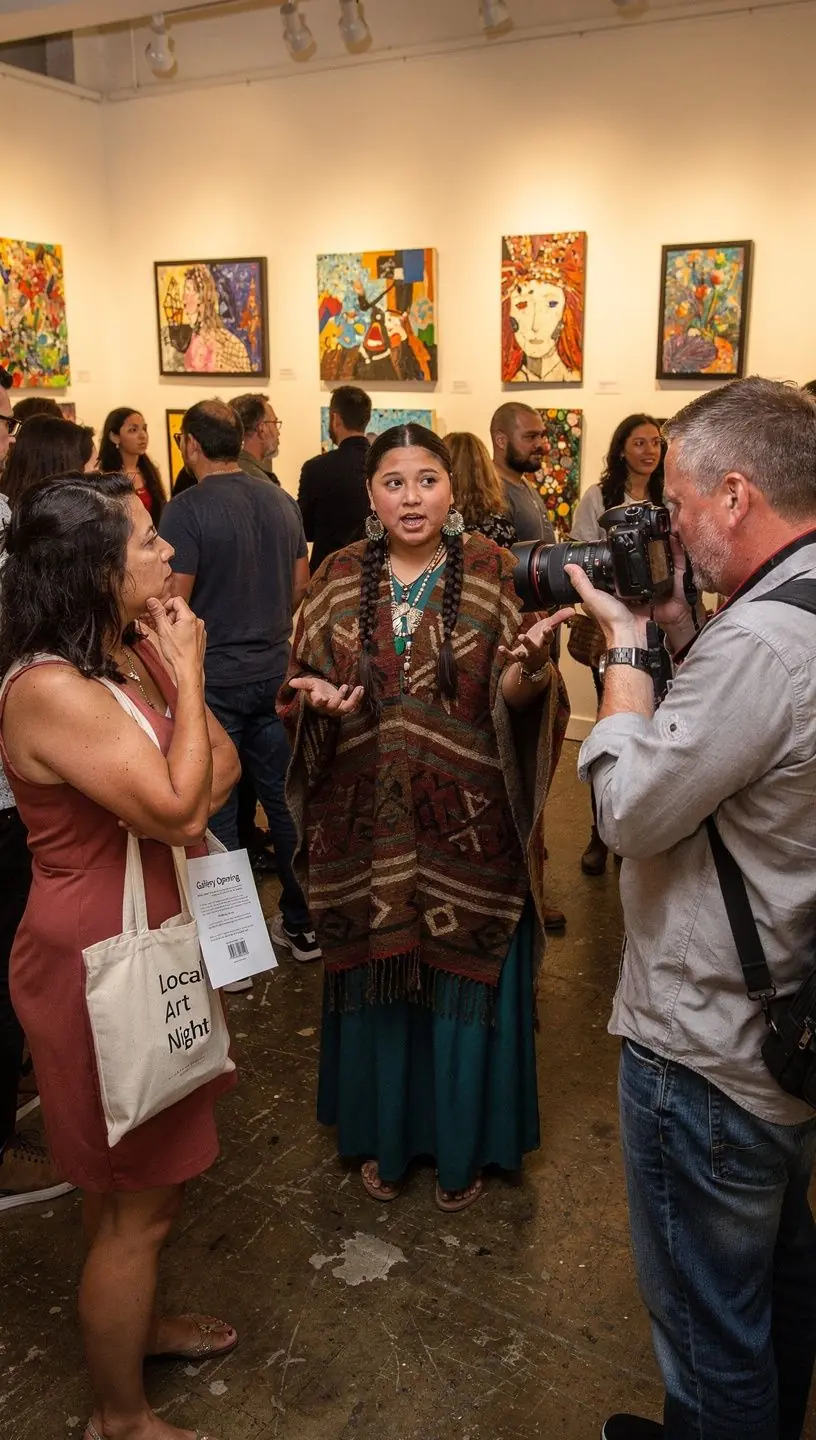
"Oral histories are not just stories; they are the threads that weave community fabric together." - Oral History Association
Preparing for the Interview
Before diving into interviews, it's crucial to prepare effectively. Experts recommend several key steps:
- Research: Familiarize yourself with the background of your interviewee. Understanding their context can lead to more meaningful conversations.
- Develop a Question List: Create open-ended questions that encourage detailed responses. For instance, ask about significant life events, local changes, or personal challenges faced.
- Select the Right Environment: Choose a quiet, comfortable place for the interview to help your neighbor feel at ease.
Conducting the Interview
During the interview, active listening is essential. This skill not only validates the interviewee's experiences but also allows you to ask relevant follow-up questions that can deepen the narrative. Here are some practical tips:
- Be Respectful: Acknowledge the sensitivity of personal stories and be prepared for emotional responses.
- Take Notes: While recording can capture the entire conversation, notes can help you remember key points and follow up on interesting threads.
- Maintain a Conversational Tone: Aim for a dialogue rather than an interrogation. This can eliminate pressure and create a comfortable atmosphere.
Post-Interview Reflection
After the interview, spend time reflecting on the conversation. Many users report that this stage is crucial for understanding the narratives shared. Here’s how to effectively process the information:
- Transcription: Transcribing the interview not only preserves the details but also allows for greater analysis of themes and patterns.
- Follow-Up: Consider reaching out to express gratitude and share how you plan to use their story. This step reinforces community ties.
Sharing the Stories
Once the oral histories are gathered and documented, sharing them is vital. Research indicates that community engagement can be enhanced through storytelling. Consider the following methods:
- Community Events: Organize gatherings where stories can be shared in a public setting, fostering connection among residents.
- Online Platforms: Use social media or a community website to publish these stories, making them accessible to a broader audience.
- Local Preservation: Consider collaborating with local libraries or historical societies to archive these oral histories for future generations.
Conclusion
Gathering oral histories is a rewarding endeavor that not only documents personal narratives but also strengthens community bonds. By following these practical steps, you can effectively engage with your neighbors and create a rich tapestry of local experiences. Remember, the process requires time, patience, and respect, but the rewards of preserving your community's history are invaluable.
Learn More