The Art of Storytelling in Public Spaces
Storytelling has long been a powerful way to connect individuals and communities. In public spaces, stories can serve as a bridge that fosters understanding and unity among diverse groups. This article explores the significance of storytelling in public contexts, highlighting how it can both reflect and shape community experiences.
Understanding the Importance of Storytelling
Storytelling is not merely a form of entertainment; it plays a vital role in human connection. According to research, narratives can evoke empathy, which is crucial in promoting social cohesion. Experts suggest that when individuals share their stories, it creates a shared space that can lead to mutual understanding and respect.
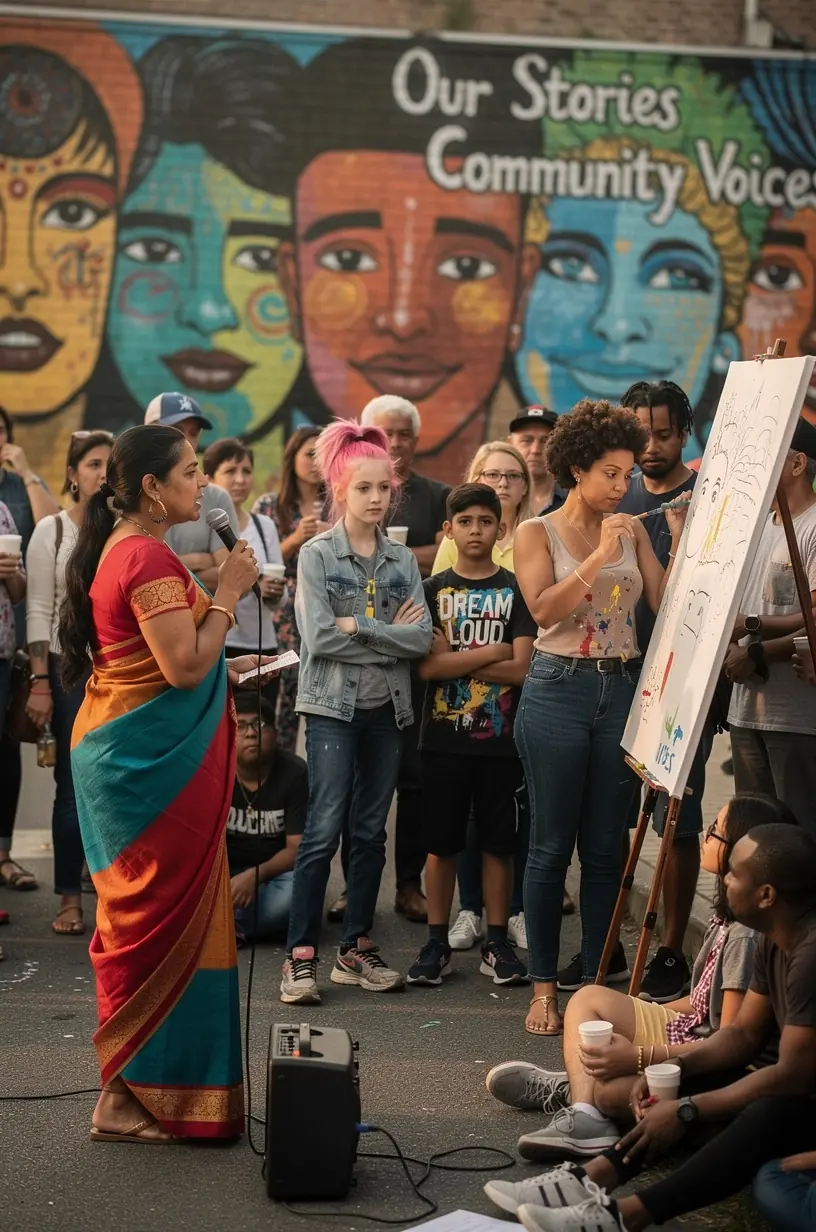
"Storytelling in public spaces has the power to transform communities, bringing people together in ways that facts and figures cannot." - Community Engagement Expert
The Role of Public Spaces in Storytelling
Public spaces such as parks, community centers, and town halls serve as ideal backdrops for storytelling. These environments encourage participation and engagement, allowing individuals to share their experiences openly. Here are a few reasons why public spaces are effective for storytelling:
- Accessibility: Public spaces are often free and open to everyone, making storytelling accessible to a wide audience.
- Diversity: These spaces attract individuals from various backgrounds, fostering a rich tapestry of narratives.
- Community Connection: Sharing stories in public contributes to a sense of belonging and can strengthen community ties.
Effective Storytelling Practices
To harness the power of storytelling in public spaces, it is essential to employ effective techniques. Here are some practices supported by industry standards that can enhance storytelling experiences:
- Encourage Participation: Facilitate open mic sessions or storytelling circles where community members can share their narratives.
- Create a Safe Environment: Ensure that the space is welcoming, respectful, and inclusive to encourage authenticity in storytelling.
- Use Visual Aids: Incorporate visuals or props that complement the stories being told, as research indicates that visual elements can enhance audience engagement.
Challenges in Public Storytelling
While storytelling in public spaces can be uplifting, there are challenges to consider. Participation may vary, and some individuals might be hesitant to share their stories due to fear of judgment or lack of confidence. Acknowledging these challenges is crucial for creating a supportive storytelling environment.
Conclusion
Public storytelling holds significant potential to enrich community life by fostering connections and understanding among diverse groups. By employing effective practices and addressing challenges, communities can create vibrant storytelling cultures. This approach not only honors individual experiences but also paves the way for collective growth and unity.