Exploring the Power of Digital Storytelling
Digital storytelling is an emerging method that allows individuals and communities to share their narratives, experiences, and challenges in a compelling way. This article explores how digital storytelling can harness local voices to foster connections, promote empathy, and drive community engagement.
Understanding Digital Storytelling
Digital storytelling combines the traditional art of storytelling with digital media to create narratives that can be shared online. According to research, this approach can significantly enhance engagement among audiences, as it often evokes emotional responses that static texts cannot. Experts in communication suggest that storytelling taps into our innate desire for connection and understanding, making it a powerful tool for conveying personal and community experiences.
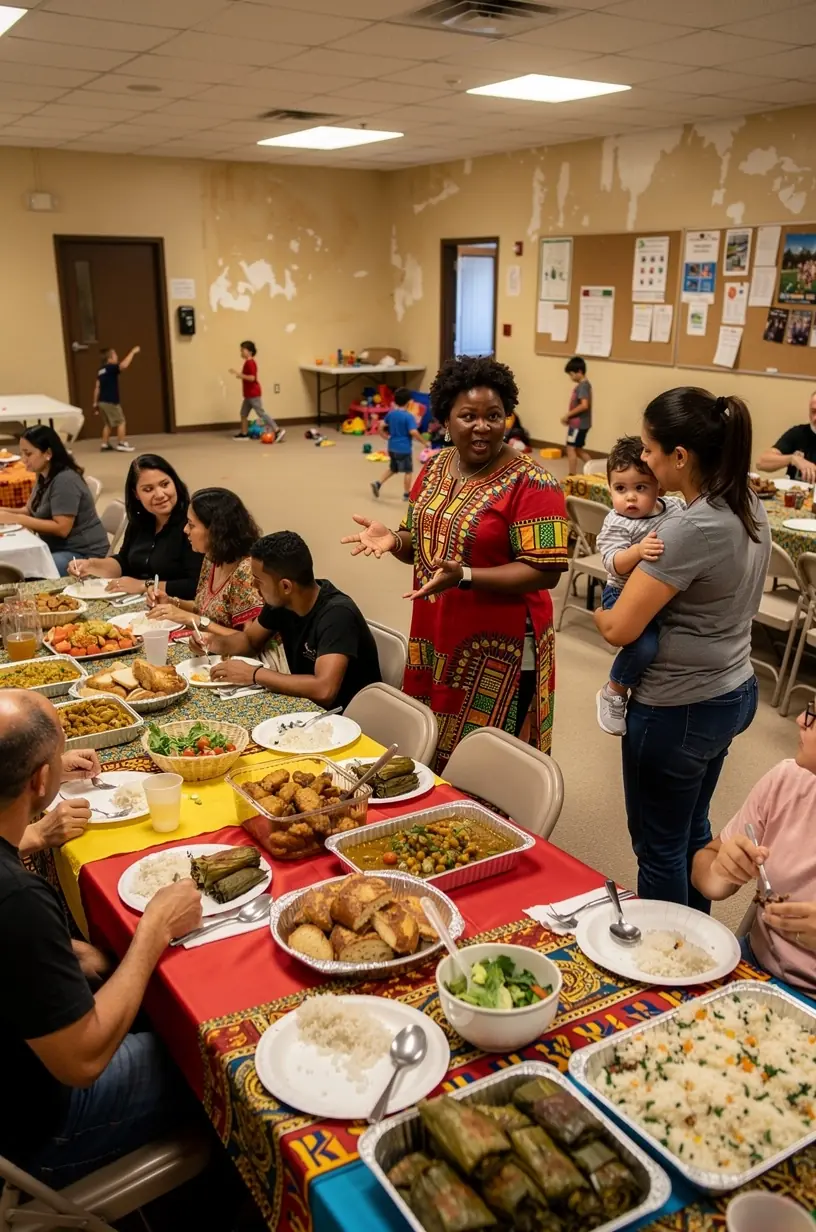
"Stories are the most powerful way to connect with others, fostering empathy and understanding." - Storytelling Expert
Benefits of Digital Storytelling in Communities
- Fostering Connection: Digital storytelling enables individuals to share their unique experiences, creating a sense of belonging among community members. Many users report feeling more connected to others when they hear relatable stories.
- Encouraging Empathy: Research indicates that exposure to diverse narratives can enhance empathy, allowing audiences to see the world from different perspectives.
- Driving Engagement: Communities that utilize digital storytelling often experience increased participation in local events and initiatives, as shared narratives can inspire collective action.
Implementing Digital Storytelling
To effectively implement digital storytelling, it is essential to follow a structured approach:
- Identify Themes: Determine the central themes that resonate within the community. This can involve discussions and brainstorming sessions to understand pressing issues or shared experiences.
- Gather Stories: Encourage community members to share their narratives, either through interviews, written submissions, or video recordings. This process often requires some dedication and can take several weeks to gather a diverse range of stories.
- Edit and Publish: Once stories are collected, the next step is to edit them for clarity and impact. This may involve collaboration with storytellers to ensure their voices are accurately represented. Publish these stories on accessible digital platforms where the community can engage with them.
Challenges and Considerations
While digital storytelling offers many benefits, it is important to acknowledge potential challenges. The process can be time-consuming, typically requiring several weeks to develop, edit, and distribute content effectively. Additionally, it may not be suitable for all community contexts, particularly where access to technology is limited or where privacy concerns arise regarding storytelling.
Conclusion
Digital storytelling serves as a powerful medium for communities to articulate their experiences and challenges. By sharing narratives, community members can foster deeper connections, promote empathy, and inspire collective action. While there are challenges involved in creating these stories, the potential benefits often outweigh the drawbacks. Communities that invest in digital storytelling not only preserve their history but also empower their members to engage meaningfully with one another.