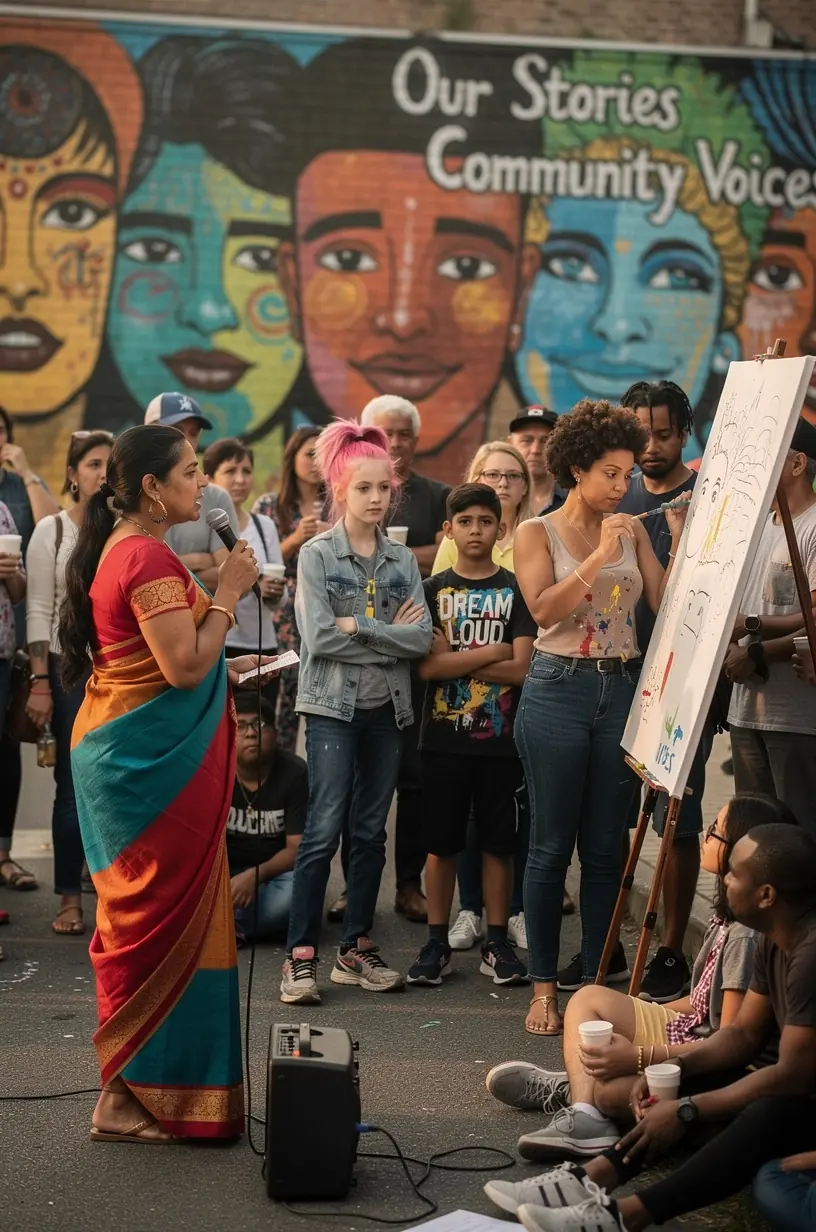
The Benefits of Collaborative Storytelling Projects
Collaborative storytelling projects have emerged as a significant method for communities to share their experiences, address challenges, and foster solutions. By pooling diverse perspectives, these initiatives not only enrich narratives but also build stronger community ties.
Understanding Collaborative Storytelling
Collaborative storytelling involves multiple individuals coming together to create a collective narrative. This approach is supported by research indicating that collective efforts often enhance creativity and provide varied insights. According to a study published in the Journal of Community Psychology, groups that engage in storytelling can generate more innovative ideas than individuals working alone.

"The richness of collaborative storytelling lies in the diversity of voices and perspectives, creating a tapestry of experiences that can resonate deeply within communities."
Key Benefits of Collaborative Storytelling
- Fostering Community Connections: Collaborative projects often bring together individuals from different backgrounds, promoting understanding and empathy. Research shows that communities with strong social ties can improve overall well-being and resilience.
- Empowering Voices: Many participants report feeling more empowered and valued when their stories are shared. According to experts in community development, when people tell their stories, they can inspire others and drive social change.
- Enhancing Problem Solving: Collaborative storytelling can illuminate shared challenges within a community. By discussing these challenges collectively, participants can identify potential solutions that might not have been apparent individually.
Implementing Collaborative Storytelling Projects
Starting a collaborative storytelling project typically involves several steps:
- Identify the Community: Determine who will participate in the storytelling project. This often involves reaching out to community groups, local organizations, or even schools.
- Set Objectives: Clearly define what the project aims to achieve. Objectives can range from raising awareness about a specific issue to celebrating local culture.
- Choose a Medium: Decide how the stories will be shared—whether through written narratives, videos, or artistic expressions. Research indicates that different formats can engage diverse audiences more effectively.
- Facilitate Storytelling Sessions: Create a safe and welcoming environment for participants to share their experiences. This often requires skilled facilitators who can guide discussions and encourage participation.
- Share the Stories: Once the stories are collected, finding ways to disseminate them within the community is crucial. Options include organizing community events, publishing online, or collaborating with local media outlets.
Challenges to Consider
While collaborative storytelling projects can be rewarding, they are not without challenges. Organizing a group meeting, for example, may require a significant time commitment and coordination efforts. Additionally, participants may have varying levels of comfort when sharing personal stories, which necessitates a sensitive approach to facilitation.
Conclusion
Collaborative storytelling projects offer numerous benefits, from fostering community bonds to empowering individuals and enhancing problem-solving capabilities. By understanding the process and considering the challenges, communities can leverage these initiatives to create meaningful narratives that reflect their unique experiences. Engaging in such projects can illuminate paths for collective action, ultimately leading to positive change.