How Personal Narratives Shape Community Perspectives
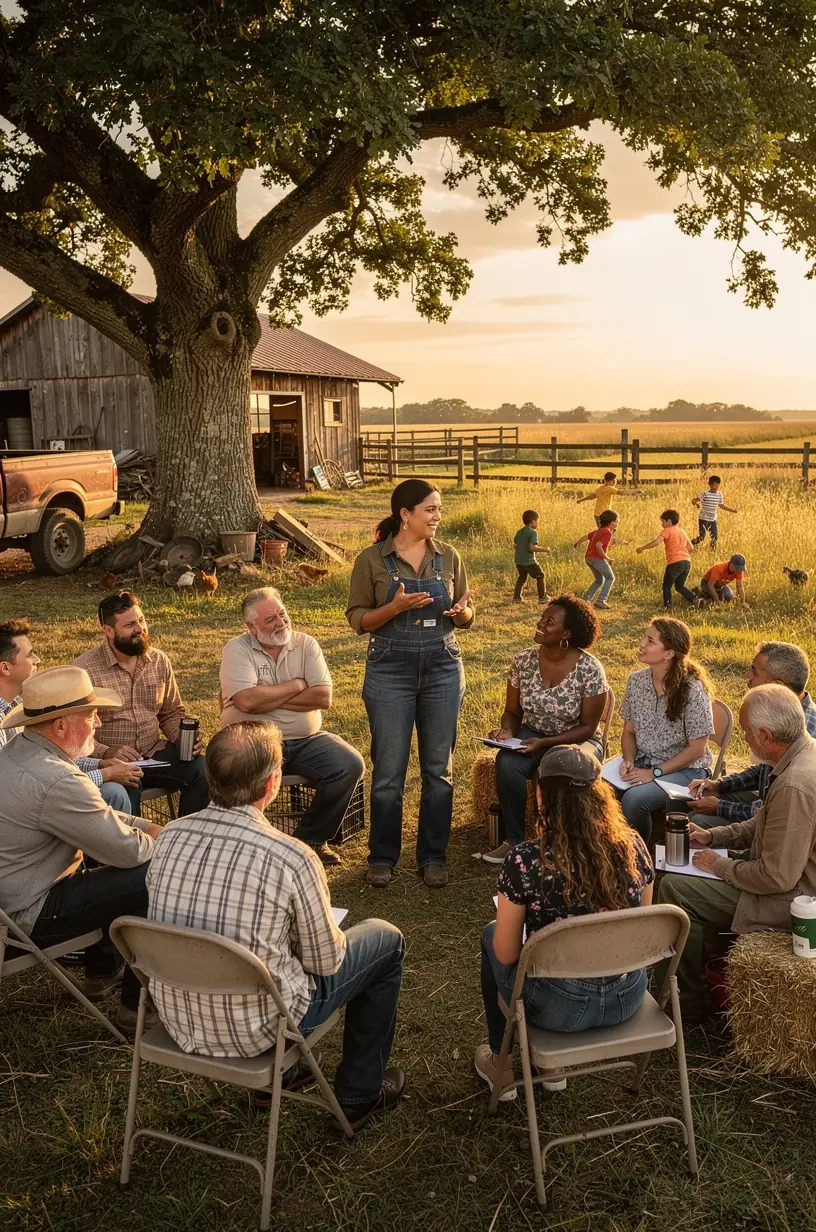
Personal narratives play a crucial role in shaping community perspectives. By sharing individual experiences, communities can gain insight into diverse challenges and identify potential solutions, fostering a more inclusive environment.
The Power of Storytelling
According to research by the Narrative Policy Framework, storytelling is an effective way to communicate complex issues. Personal narratives allow individuals to connect emotionally with others, which can be more impactful than mere statistics or abstract concepts. This emotional connection often leads to greater understanding and empathy within communities.
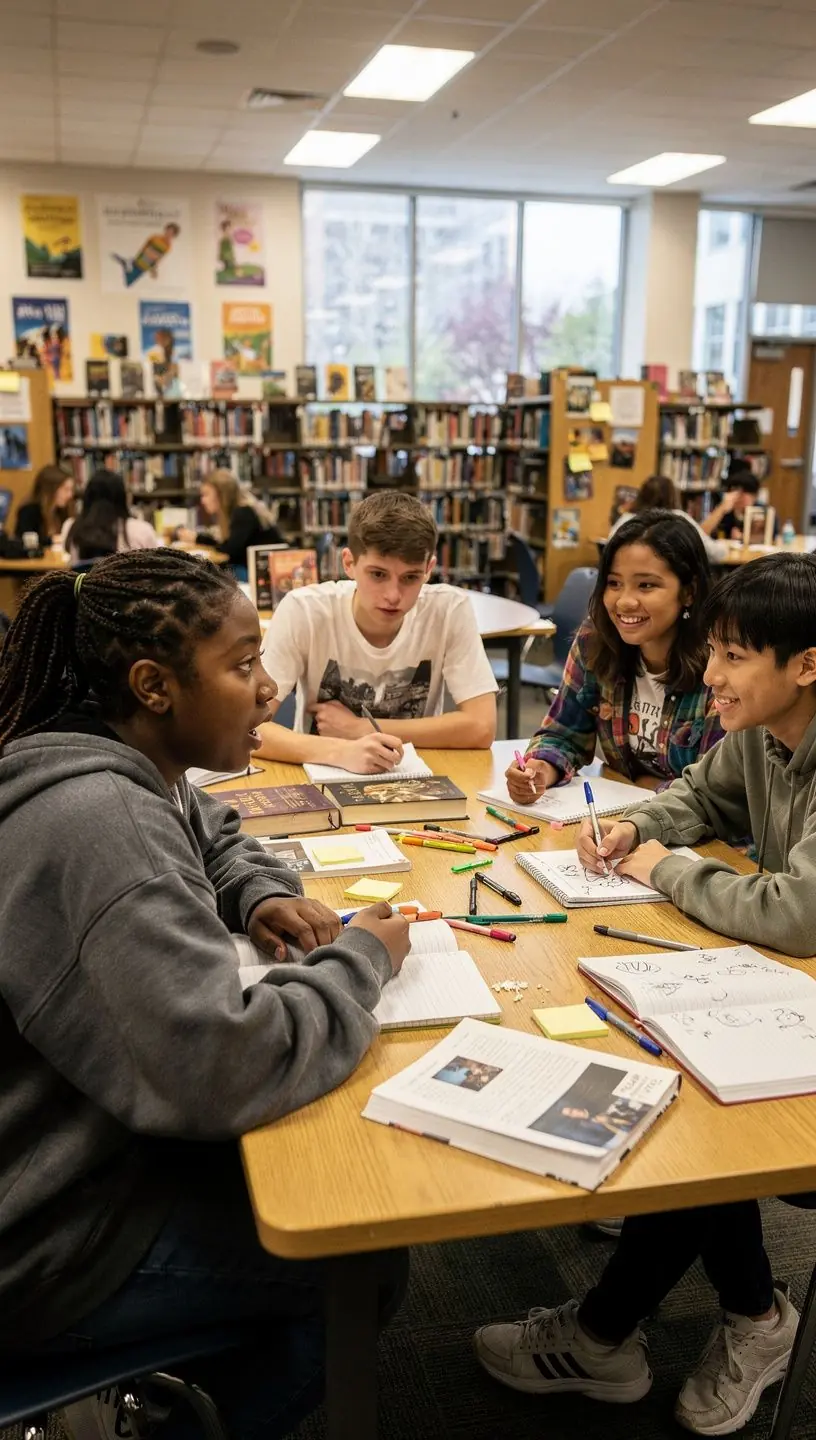
"Stories are the most powerful way to connect people, sparking empathy and understanding that leads to action."
Examples of Impact
Many communities have harnessed the power of personal storytelling to address local challenges. Here are a few examples:
- Community Health Initiatives: Individuals sharing their health challenges can raise awareness about specific issues, leading to collective action and improved health resources.
- Social Justice Movements: Narratives from marginalized groups often highlight systemic inequalities, prompting community discussions and advocacy for change.
- Environmental Awareness: Stories about local environmental impacts can motivate community members to engage in conservation efforts.
How to Encourage Narrative Sharing
Encouraging community members to share their personal stories can be achieved through various methods:
- Create Safe Spaces: Establish environments where people feel comfortable sharing their experiences without fear of judgment. This typically involves organizing gatherings or forums focused on specific themes.
- Utilize Digital Platforms: Many communities have seen success using online platforms to collect and share stories. Research indicates that digital storytelling can reach a wider audience and engage younger demographics effectively.
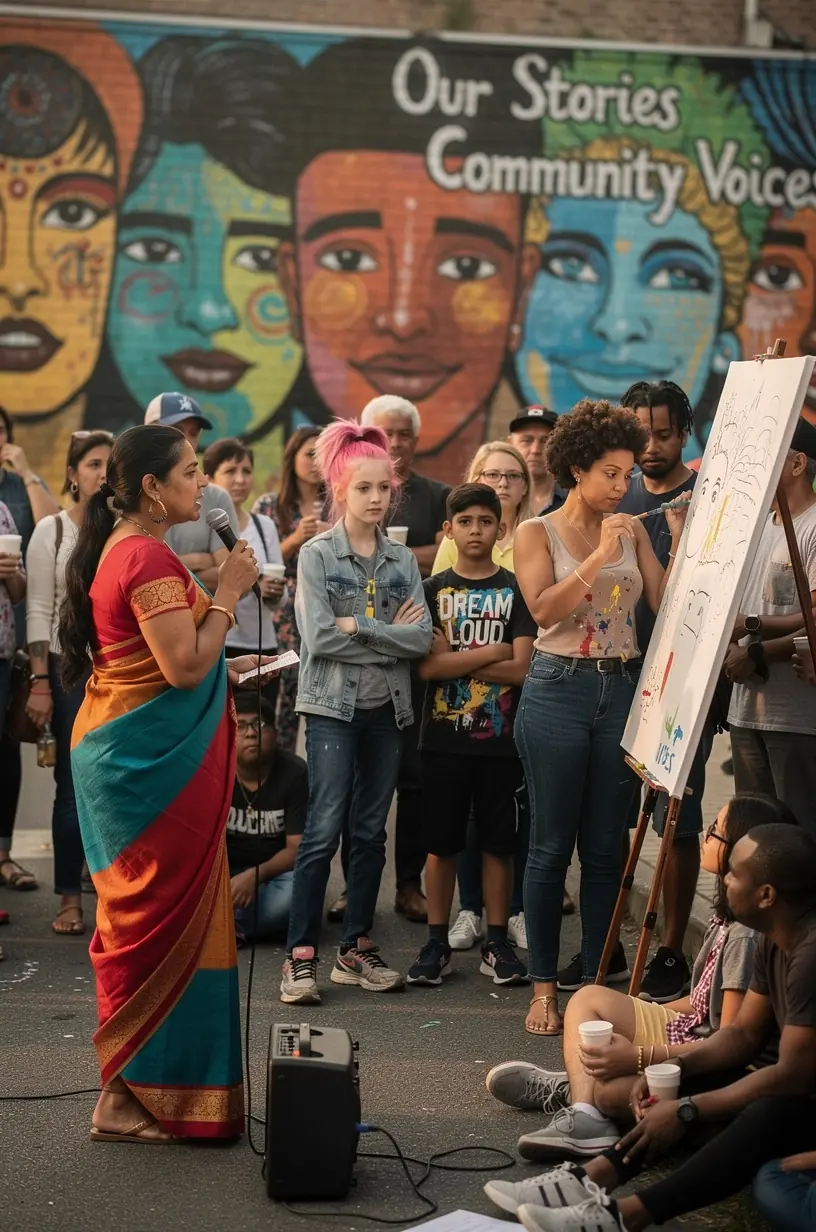
- Host Community Events: Organizing storytelling events can bring individuals together, allowing them to share their experiences and learn from one another. Experts recommend that these events be structured to encourage participation from all attendees.
Challenges to Consider
While personal narratives can greatly enhance community understanding, there are challenges to address:
- Vulnerability: Sharing personal stories can be daunting for many individuals. Acknowledging this vulnerability is essential in creating a supportive atmosphere.
- Representation: Ensuring diverse voices are heard is crucial. Communities should actively seek to include underrepresented groups to avoid perpetuating existing biases.
- Follow-Up Actions: Simply sharing stories is not enough; communities must also take actionable steps based on the insights gained from these narratives. While this can take time, it is essential for meaningful change.
Conclusion
Personal narratives are a powerful tool for shaping community perspectives. By providing insight into individual experiences, communities can better understand the complexities of shared challenges. While fostering a culture of storytelling requires time and effort, the potential for greater empathy and collective action is significant. In most cases, engaging in this practice can lead to a more connected and proactive community.