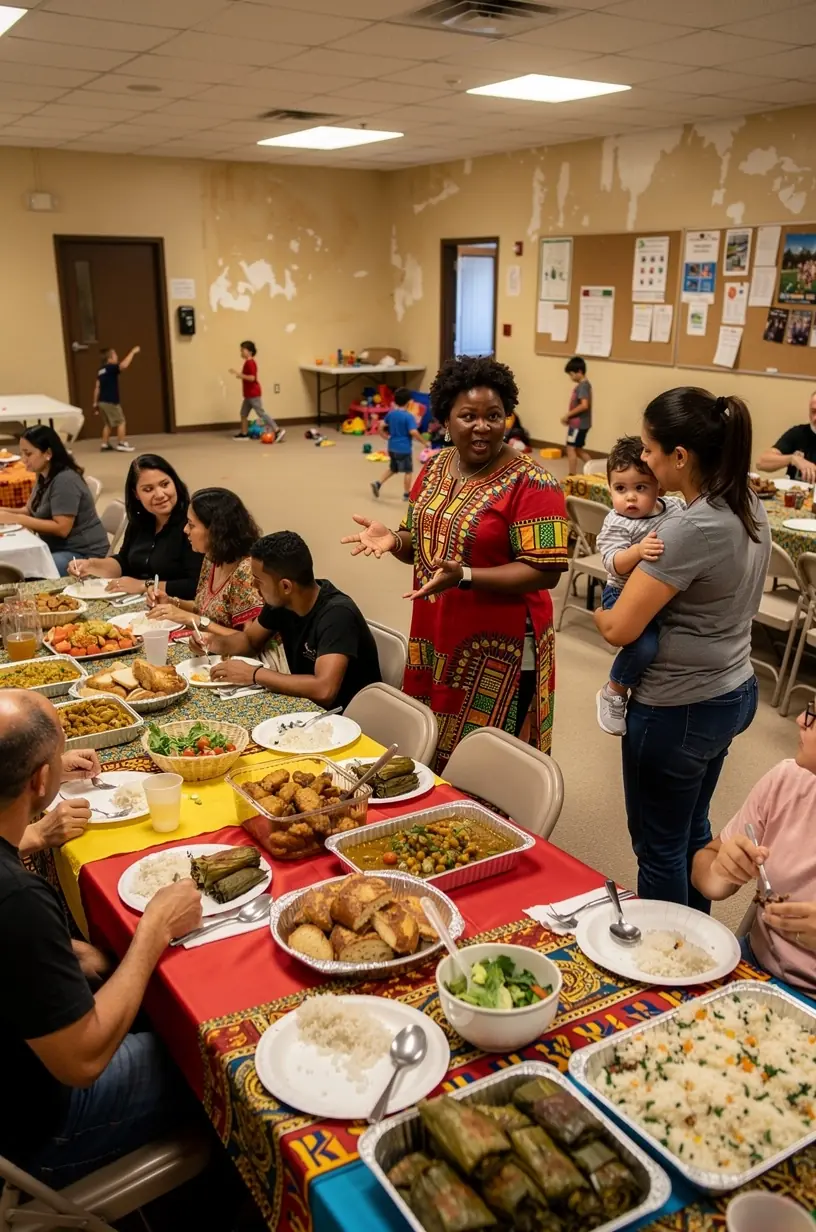
Using Photography to Tell Local Stories
Photography has long been an effective medium for storytelling, capturing moments and emotions that resonate deeply with viewers. In communities across the US, local photographers are harnessing this art form to document unique experiences, challenges, and solutions within their neighborhoods. This article explores the impact of photography in community storytelling and provides insights on how to effectively use this medium.
The Power of Visual Narratives
According to research conducted by the Visual Communication Quarterly, images can evoke emotional responses more effectively than text alone. This principle is significant in community storytelling, where visuals can help communicate the nuances of local issues. Photographers often capture raw moments that reflect the culture, struggles, and triumphs of their communities.
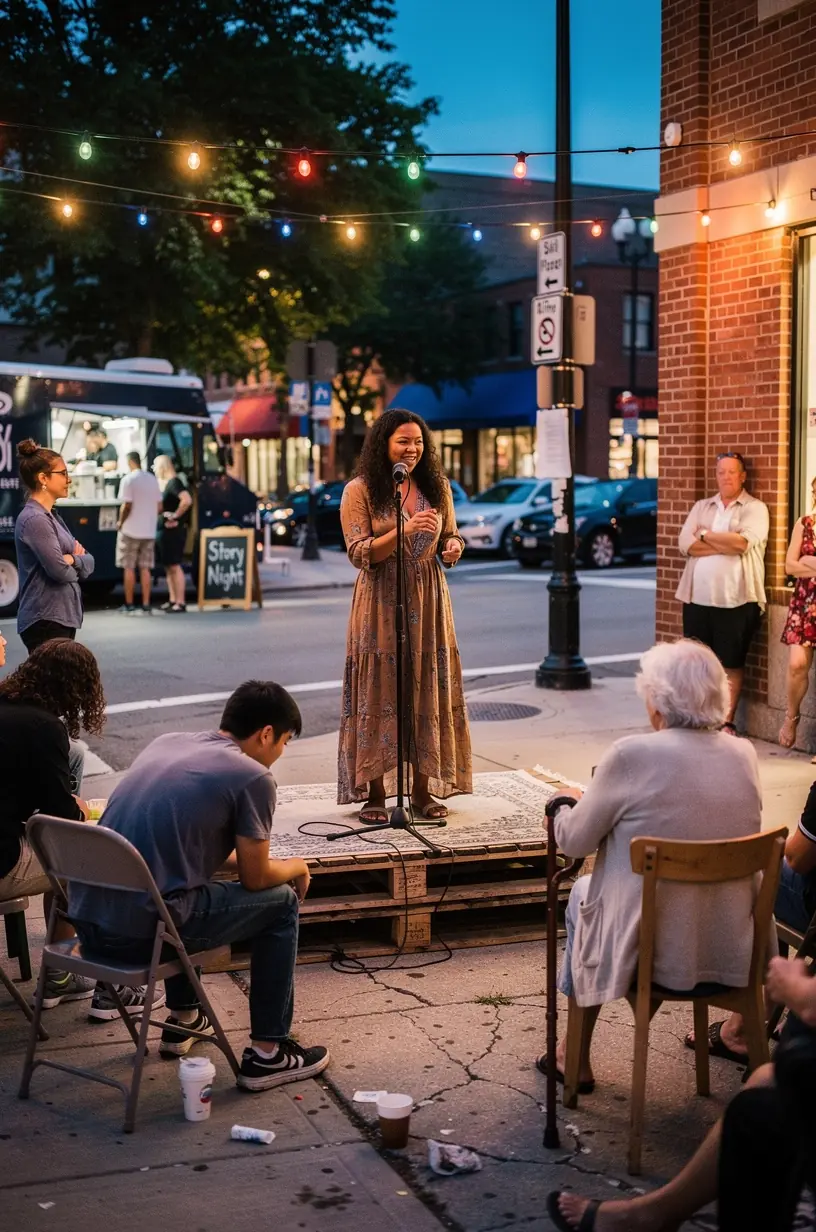
"A photograph can tell a thousand words, but it can also tell a story that transcends language."
Why Photography Matters in Community Storytelling
Many community members report that photography has helped them find their voice and connect with others who share similar experiences. The following points highlight why photography is a valuable tool for local storytelling:
- Accessibility: Photography is often more accessible than written narratives, allowing individuals from various backgrounds to engage with and contribute to community stories.
- Emotional connection: Visuals can evoke empathy, making it easier for people to relate to the stories being told. Studies show that emotional engagement can lead to increased community participation.
- Documenting history: Photographs serve as historical documents, preserving the memory of events, people, and places for future generations, which can influence local identity and pride.
How to Use Photography for Local Storytelling
To effectively use photography as a storytelling tool, consider the following steps, which can help create compelling visual narratives:
- Identify your story: Start by determining what story you want to tell. This could be about a local event, a community challenge, or a solution that has emerged. Understanding your narrative will guide your photographic choices.
- Engage with your subjects: Building trust with the individuals you intend to photograph is crucial. Spend time with them, listen to their stories, and ensure they feel comfortable sharing their experiences.
- Focus on composition and lighting: Effective photography often relies on good composition and lighting. Research basic photography principles to enhance the quality of your images, which can significantly impact how your story is perceived.
- Edit thoughtfully: Post-processing can enhance your photographs, but it is essential to retain the authenticity of the story. Simple adjustments in exposure and contrast can make a significant difference without altering the narrative.
Challenges to Consider
While photography is a powerful medium, it also comes with challenges. Many photographers find that gaining access to certain communities requires patience and sensitivity. Additionally, the process of storytelling through photography can be time-consuming, often requiring multiple visits to capture the complete narrative.
Conclusion
Using photography to tell local stories can be an effective way to connect communities, document experiences, and promote understanding. By focusing on the nuances of local life and engaging thoughtfully with subjects, photographers can create meaningful narratives that resonate with viewers. As you embark on your own storytelling journey, remember that the goal is not just to capture images, but to illuminate the stories that lie beneath the surface.
Learn More