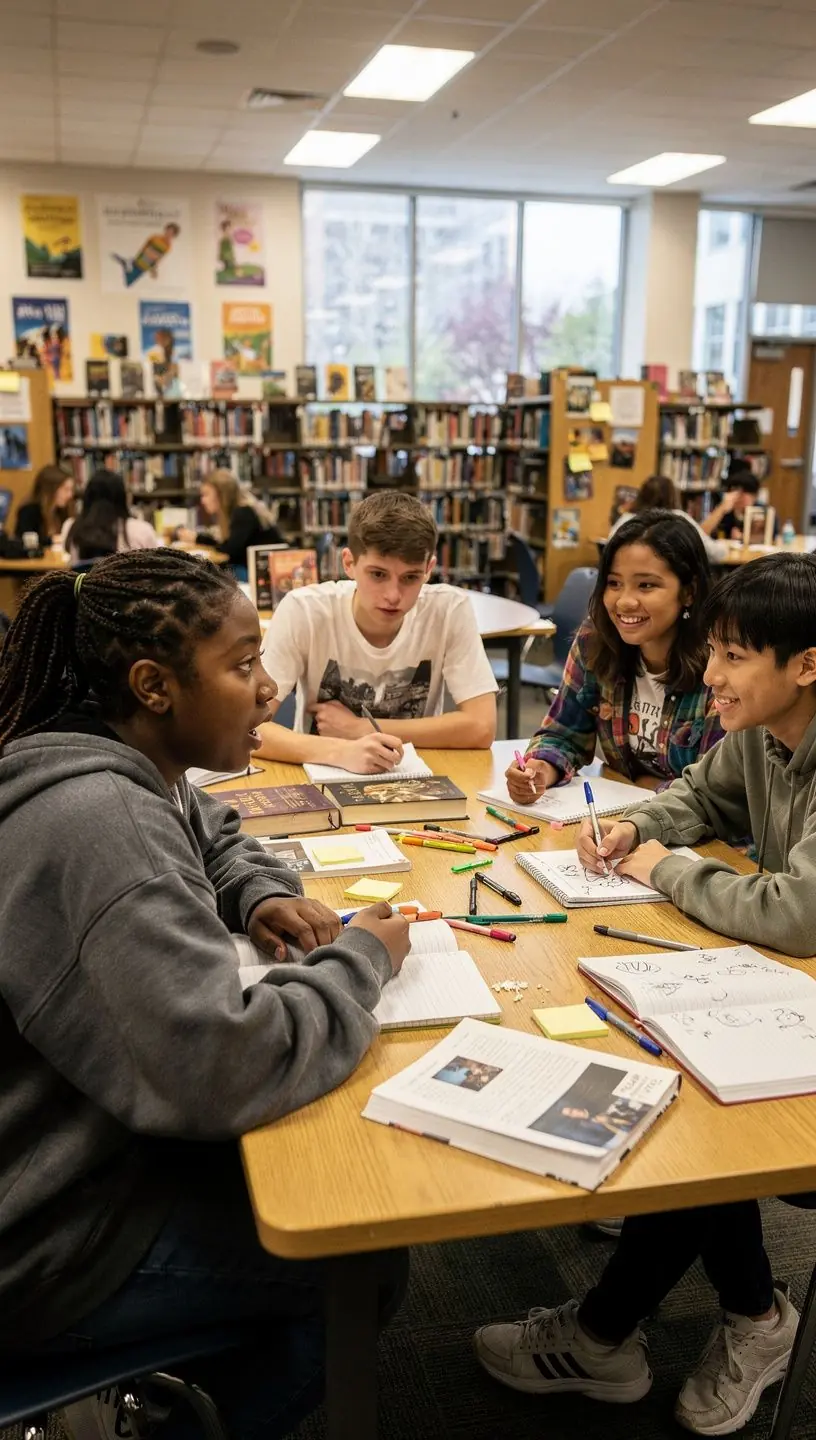
Building Resilience Through Shared Community Stories
In times of uncertainty and challenge, community storytelling emerges as a powerful means of fostering resilience. By sharing personal experiences, communities can cultivate understanding, solidarity, and innovative solutions to common problems.
Understanding the Value of Shared Stories
Community storytelling is not just a cultural tradition; it serves a practical purpose in enhancing resilience. According to research from the American Psychological Association, narratives can significantly influence how individuals cope with challenges. When community members share their stories, they often find common ground, which fosters a sense of belonging and collective strength.

"The act of storytelling can be a healing process, allowing individuals to articulate their experiences and connect with others." - Community Engagement Expert
How Storytelling Builds Resilience
There are several reasons why storytelling can be an effective method for communities to build resilience:
- Creating Connection: Sharing stories fosters emotional connections among community members, which is essential for collective well-being. Many studies show that social support networks are crucial in times of crisis.
- Encouraging Empathy: Listening to others’ experiences can expand perspectives and cultivate empathy. Research indicates that empathy plays a vital role in community cohesion and can lead to collaborative problem-solving.
- Promoting Problem-Solving: Through shared narratives, communities often highlight innovative solutions to common challenges. This collaborative approach can help model effective strategies that others may adopt.
Practical Steps to Foster Community Storytelling
To effectively harness the power of storytelling within a community, consider the following steps:
- Establish Safe Spaces: Create environments where individuals feel comfortable sharing their stories. This typically involves setting up regular community meetings or online forums that encourage open dialogue.
- Encourage Diverse Voices: Inclusivity is crucial. Ensure that stories represent a wide range of experiences, particularly from marginalized groups, as this enriches the collective narrative.
- Use Varied Formats: Storytelling can take many forms, from written narratives to oral traditions or digital storytelling. Adapting to different preferences can engage a broader audience.
Challenges and Considerations
While community storytelling can be beneficial, it is essential to acknowledge potential challenges:
- Time Commitment: Building a culture of storytelling typically requires sustained effort over time. Communities may need to invest weeks or months to cultivate a supportive environment.
- Vulnerability: Sharing personal experiences can be daunting for many. It is important to foster trust and ensure that individuals feel secure in sharing their narratives without judgment.
- Maintaining Engagement: Keeping community members engaged in storytelling initiatives can be challenging. Regularly showcasing stories through various platforms can help maintain interest.
Conclusion
Community storytelling serves as a vital tool in building resilience. By encouraging individuals to share their experiences, communities can create stronger bonds, foster empathy, and promote innovative solutions to common challenges. While there may be challenges in implementing storytelling initiatives, the long-term benefits often outweigh the difficulties, leading to a more connected and resilient community.