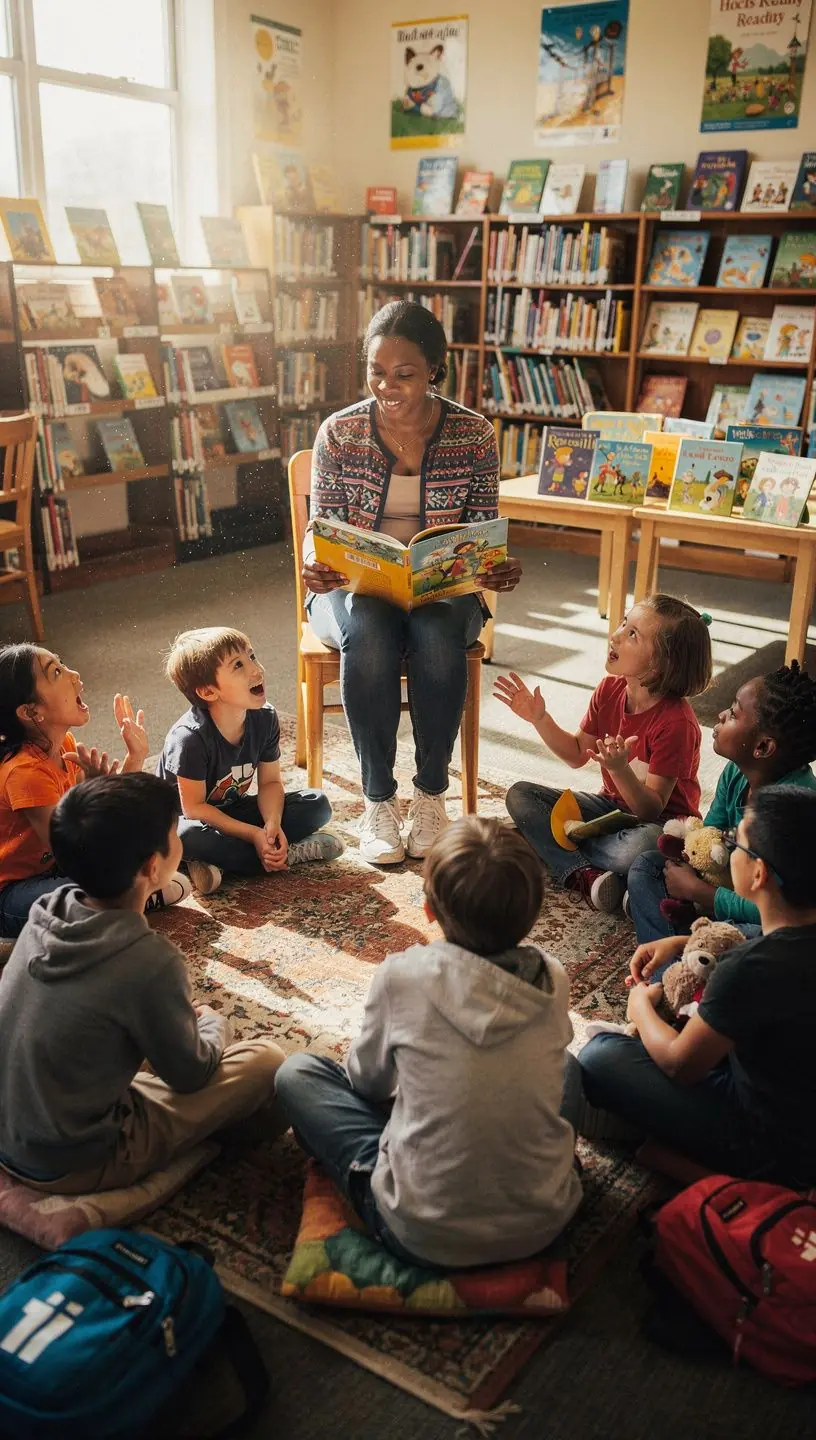
The Role of Storytelling in Conflict Resolution
Storytelling is an age-old practice that has transcended cultures and generations. In the context of conflict resolution, it serves as a powerful tool to bridge gaps between differing perspectives and foster understanding. This article explores how storytelling can effectively address conflicts in communities across the United States.
Understanding the Basics of Storytelling in Conflict
Storytelling enables individuals to share their experiences and feelings in a relatable format. According to research, narratives can help convey complex emotions and motivations, making it easier for people to empathize with one another. When conflicts arise, they often stem from misunderstandings or a lack of awareness of different viewpoints. By sharing personal stories, individuals can demonstrate their struggles and aspirations, which may help others to recognize common ground.
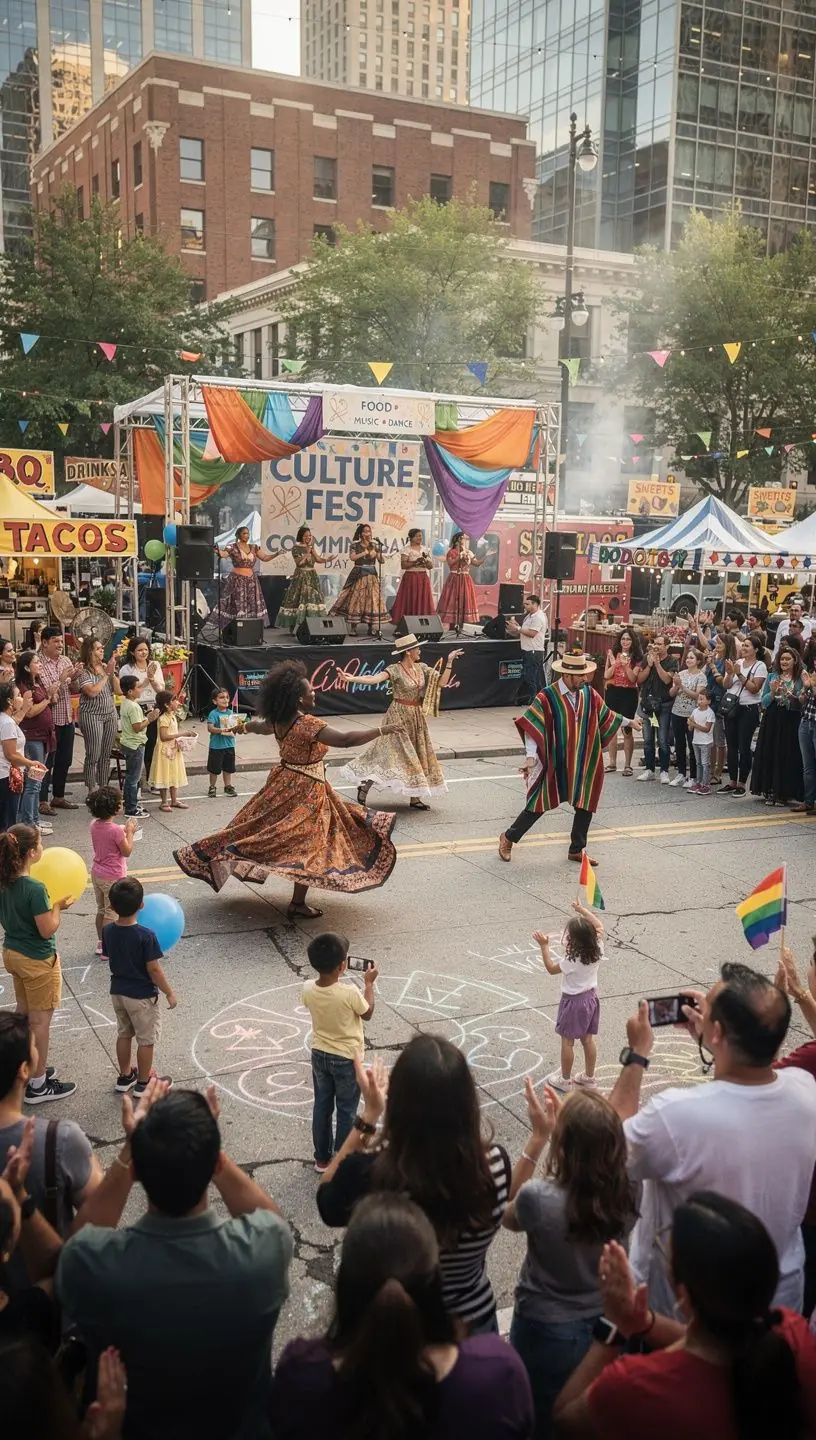
"Storytelling can transform adversarial relationships into collaborative ones by highlighting shared experiences." - Conflict Resolution Expert
How Storytelling Promotes Empathy and Understanding
One of the primary benefits of storytelling in conflict resolution is its ability to promote empathy. Studies show that when individuals listen to stories, they often engage emotionally, which can lead to greater understanding of the other person's perspective. This emotional connection is critical, as it can shift focus from confrontational attitudes to a more collaborative approach.
Key Mechanisms of Storytelling in Conflict Resolution
- Building Rapport: Sharing stories can help establish trust and rapport among conflicting parties, making them more open to dialogue.
- Clarifying Positions: Through storytelling, individuals can articulate their positions and the emotions behind them, leading to clearer communication.
- Facilitating Reflection: Hearing others' stories can prompt individuals to reflect on their own beliefs and assumptions, fostering a more nuanced understanding of the situation.
Practical Steps for Implementing Storytelling in Conflict Resolution
Implementing storytelling as a conflict resolution strategy often involves structured approaches. Here are some practical steps that communities can take:
- Create Safe Spaces: It is essential to establish an environment where individuals feel safe to share their stories without fear of judgment or backlash. This typically requires a facilitator who can guide the process with sensitivity.
- Encourage Active Listening: Participants should be encouraged to listen actively, allowing each person to fully express their story before responding. This process can often take time, as it requires patience and focus.
- Reflect and Discuss: After storytelling sessions, engaging in discussions about the narratives shared can help solidify understanding and facilitate collaborative problem-solving. This reflection may take several rounds to uncover deeper insights.
Challenges and Limitations
While storytelling can be effective, it is important to acknowledge its limitations. This approach may not be suitable for situations where emotions are running particularly high, as it could potentially escalate tensions rather than alleviate them. Additionally, individuals may initially resist sharing their stories due to vulnerability concerns.
Conclusion
Storytelling holds significant potential in conflict resolution by fostering empathy, understanding, and collaboration. By sharing personal narratives, individuals can pave the way for dialogue and mutual respect. However, it is essential to approach this method with care, ensuring that the environment is conducive to open communication. As communities continue to navigate conflicts, harnessing the power of storytelling can help create pathways toward resolution and healing.