The Importance of Archiving Community Memories
As communities evolve, the stories that shape them often risk being forgotten. Archiving community memories not only preserves history but also strengthens social ties and fosters understanding among residents. This article explores the significance of documenting local experiences and the methods to effectively achieve this.
Understanding the Basics of Archiving
Archiving community memories involves collecting, preserving, and sharing stories, photographs, and artifacts that represent the collective experience of a group. According to experts, maintaining records of community experiences can enhance social cohesion and contribute to a shared identity.
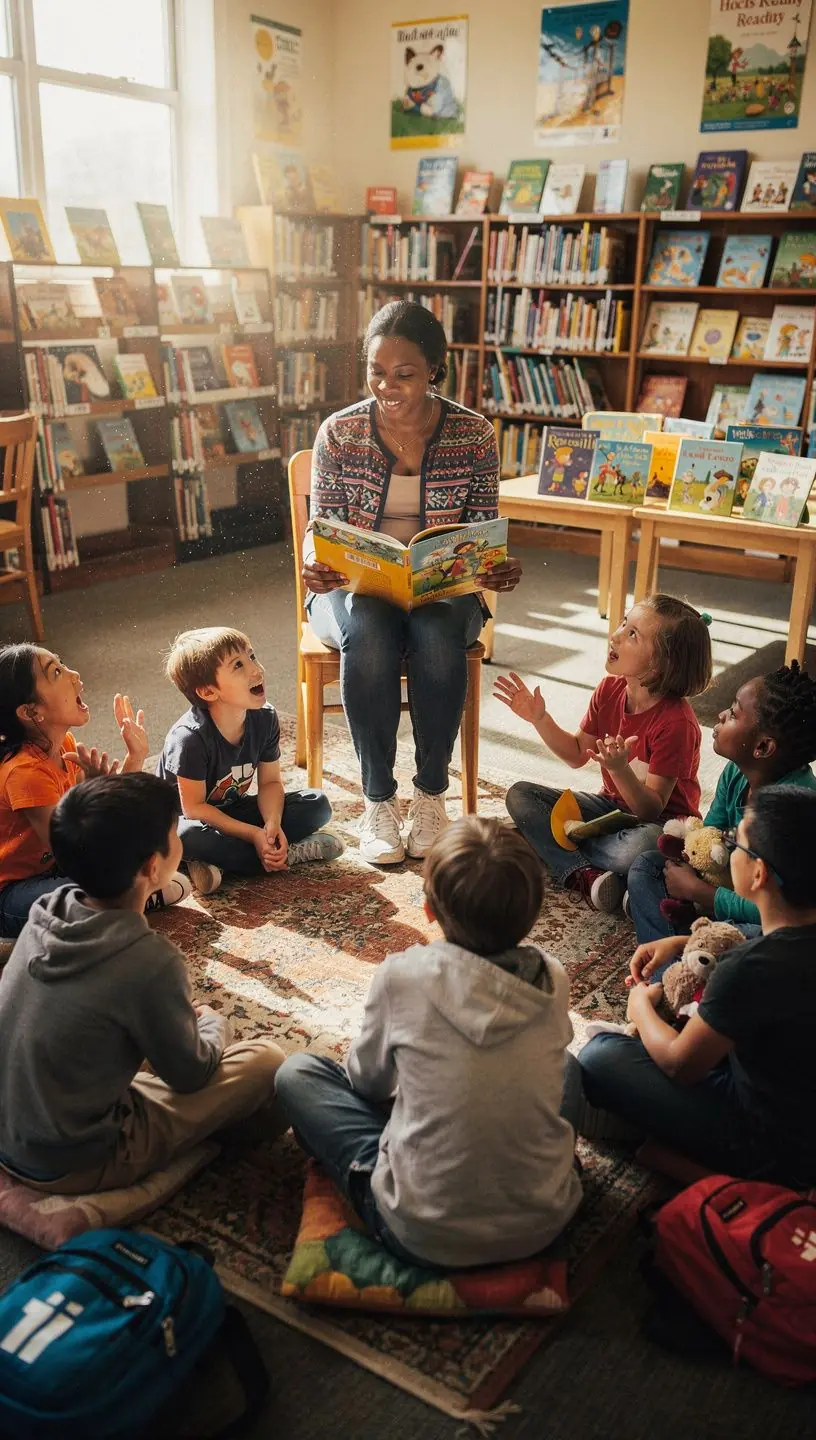
"Collective memory serves as a foundation for community identity and helps individuals connect with their heritage." - Community Historian
Why Archiving Matters
There are several compelling reasons to prioritize the archiving of community memories:
- Preservation of History: Documenting local history helps future generations understand their roots. Research indicates that communities with accessible historical records tend to foster a deeper sense of pride and belonging among residents.
- Social Connection: Many residents report that sharing stories brings people together, helping to break down barriers and encourage dialogue. This is particularly relevant in diverse communities where shared experiences may not be immediately apparent.
- Resource for Education: Archives can serve as valuable educational resources for schools and community groups. Studies show that engaging with local history enhances students' learning experiences and promotes civic engagement.
Methodologies for Effective Archiving
To effectively archive community memories, consider the following approaches:
- Gathering Stories: Organize community events that encourage residents to share their experiences. This may include interviews, story circles, or digital storytelling initiatives.
- Utilizing Technology: Leverage digital tools such as websites or social media to collect and share stories. Online platforms can reach a wider audience, making it easier to gather diverse narratives.
- Collaborating with Local Institutions: Partner with libraries, historical societies, and educational institutions. Collaboration often enhances resources and expertise, creating a more comprehensive archive.
Challenges in Archiving Community Memories
While the benefits of archiving are clear, several challenges may arise:
- Time Commitment: Creating a thorough archive can require significant time and effort. It often involves consistent community engagement over several months or even years.
- Diverse Participation: Ensuring that all voices are represented can be challenging. Many communities have underrepresented groups whose stories may not be easily captured without intentional outreach.
- Technological Barriers: Not all community members may have access to digital tools, which can limit participation in online archiving efforts. Addressing these disparities is crucial for inclusive archiving.
Conclusion
Archiving community memories is more than just preserving the past; it is about strengthening the fabric of community life today. By understanding the importance of these memories and exploring effective methodologies, communities can ensure that their stories are not only remembered but also celebrated. Moving forward, active engagement and inclusive practices will be essential in creating a rich tapestry of community narratives that reflect the diverse experiences of all its members.