
Capturing Local Challenges Through Personal Experiences
Community storytelling is a powerful tool for understanding the unique challenges faced by local residents. By sharing personal experiences, individuals can highlight issues that affect their neighborhoods and inspire collective action towards solutions.
The Importance of Community Narratives
Community narratives serve as a reflection of shared experiences and local challenges. According to research, storytelling can enhance community engagement and foster empathy among residents. When individuals share their challenges, it encourages others to participate in discussions that may lead to effective solutions.
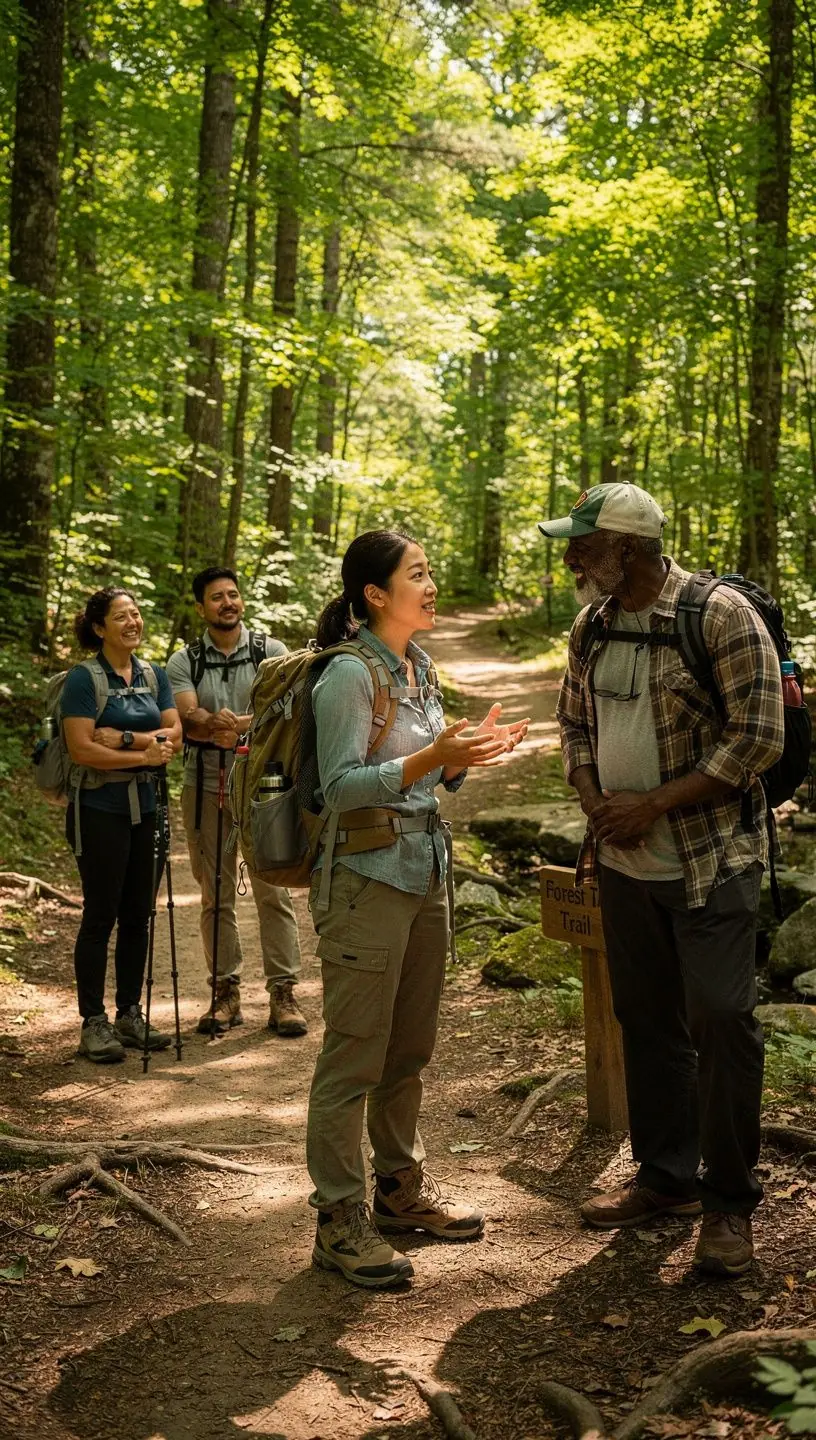
"Storytelling has long been recognized as a vital means of connecting people and generating awareness about local issues." - Community Development Expert
Identifying Common Challenges
Many communities face similar challenges, including:
- Access to Healthcare: In various regions, residents report difficulties in accessing affordable healthcare services. Studies indicate that communities with limited healthcare facilities often experience poorer health outcomes.
- Economic Disparities: Economic challenges can manifest in job scarcity and increased cost of living. Research shows that communities with higher unemployment rates typically struggle with various social issues, including increased crime rates.
- Environmental Concerns: Local environmental issues, such as pollution or lack of green spaces, significantly affect community well-being. Experts recommend that addressing these challenges can lead to improved public health and enhanced quality of life.
Sharing Personal Experiences
Sharing personal experiences can shed light on local challenges in a relatable way. Here are some effective strategies to ensure that stories resonate within the community:
- Be Authentic: Authenticity is key. Personal stories that include both struggles and triumphs can inspire others and foster a sense of trust within the community.
- Encourage Dialogue: After sharing a story, inviting feedback can lead to broader discussions about solutions and collaborative efforts. Many experts suggest that dialogue is essential for community growth.
- Utilize Multiple Platforms: Sharing stories through various channels (social media, community boards, local newspapers) can reach different audiences. According to a recent study, using multiple platforms increases engagement and awareness.
Building a Supportive Environment
To effectively capture local challenges, a supportive environment is essential. Here are practical steps communities can take:
- Host Community Forums: Regular meetings can provide a space for residents to share their experiences and discuss common challenges.
- Collaborate with Local Organizations: Partnering with non-profits or community service organizations can facilitate resource sharing and amplify resident voices.
- Document and Share Outcomes: Recording the outcomes of these discussions can highlight progress and encourage ongoing participation. Research shows that communities that document their efforts often sustain engagement longer.
Conclusion
Capturing local challenges through personal experiences not only informs the community but also empowers residents to advocate for change. By fostering an environment of openness and collaboration, communities can effectively address the issues that matter most to them. While it may take time and dedication to see significant changes, the journey toward solutions is strengthened by the stories shared along the way.
Learn More